Ships, coastal power, and the people called pirates. Explore the history behind the imagined world of Hidden Tide.
20 findings · 3 collections. Each entry links to its evidence. Period records, later histories, and modern reconstructions are labeled so you can follow the research on its own terms.
01 · Nautical
Hull, sail, rigging, and work.
The practical life of sailing vessels: how they were drawn, built, rigged, and worked. Later evidence is dated separately from the nineteenth-century settings it helps us imagine.
The shipwright’s archive
Explore the original ship studies, downloadable production plates, interactive pulley demonstration, and nine-source nautical bibliography.
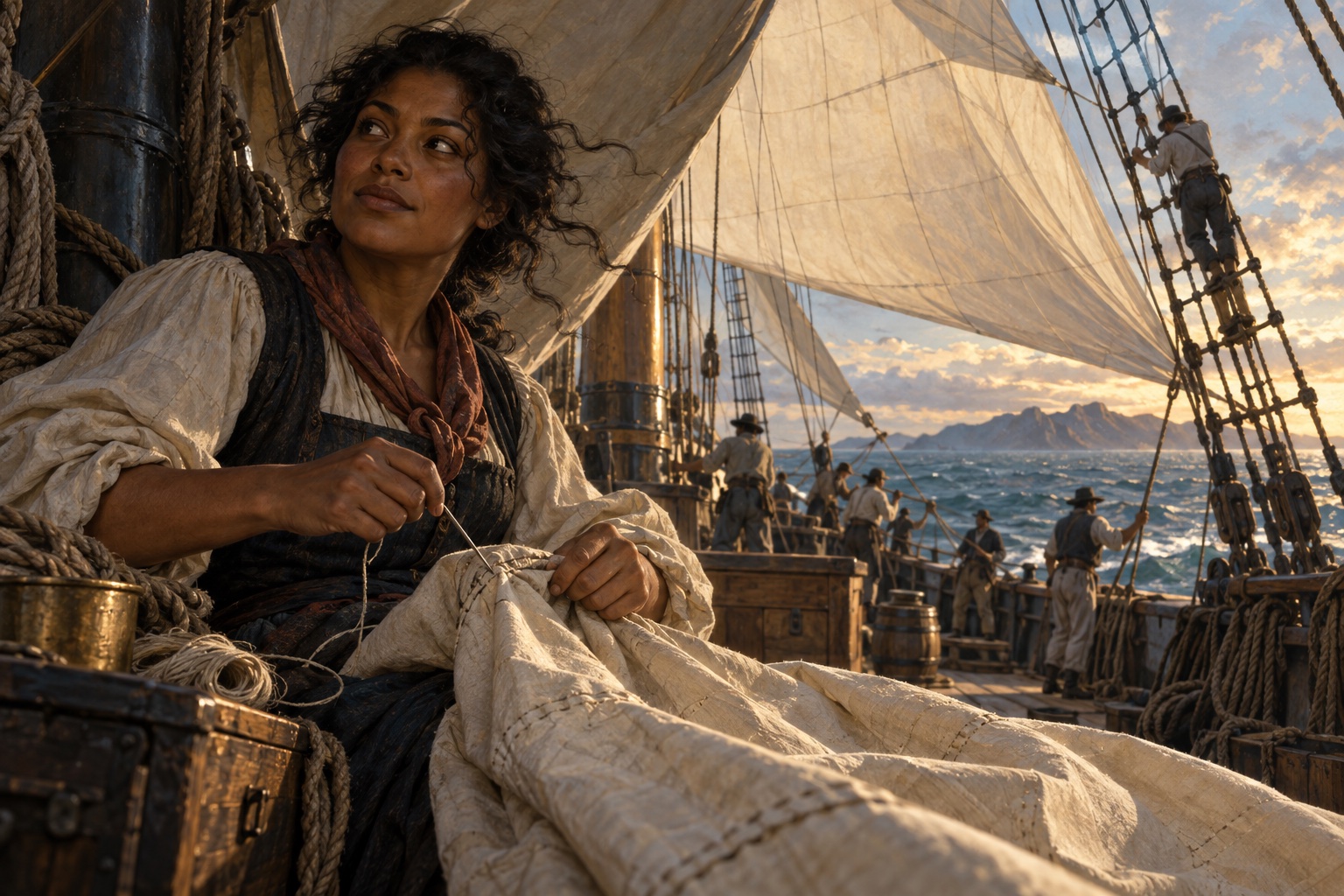
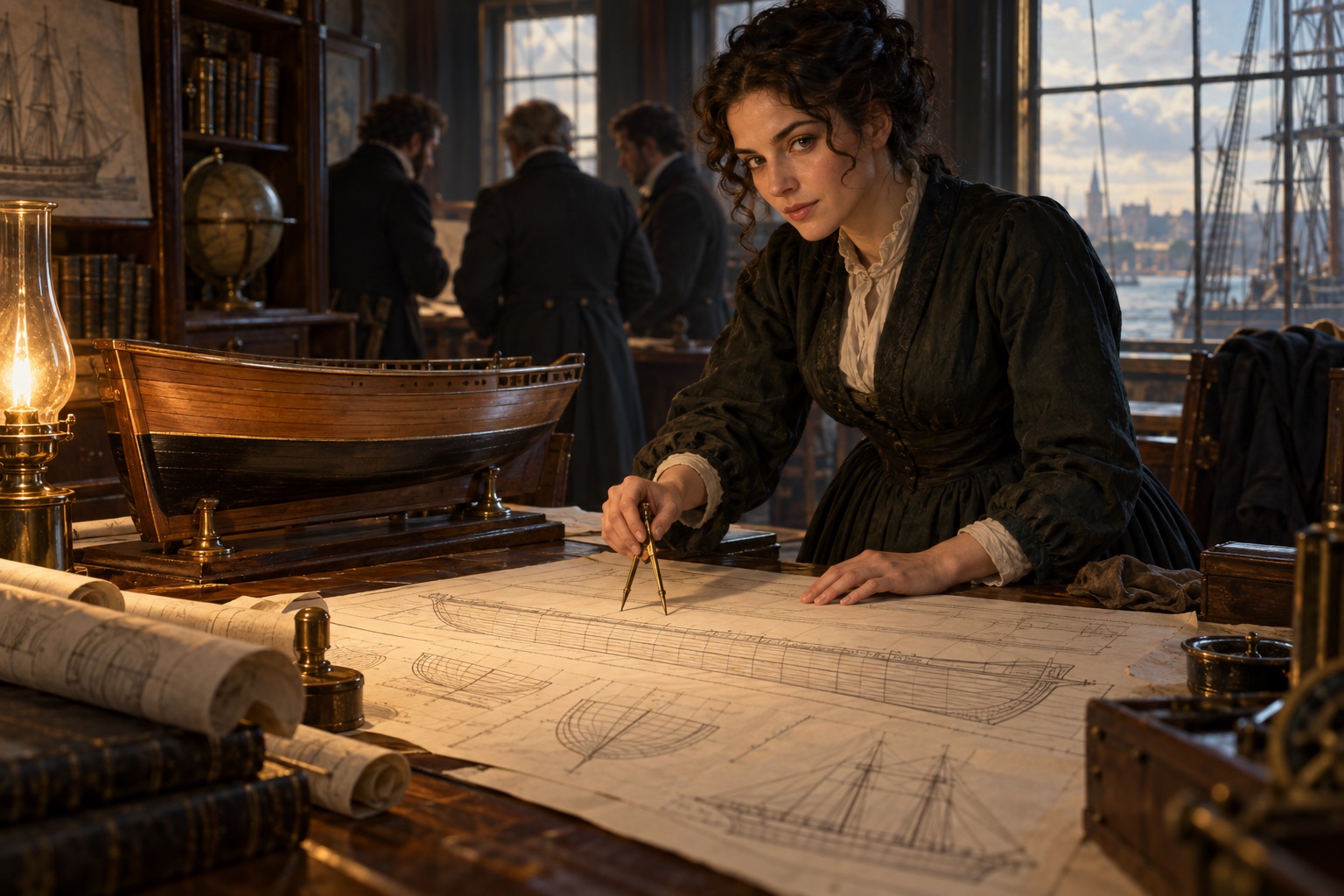
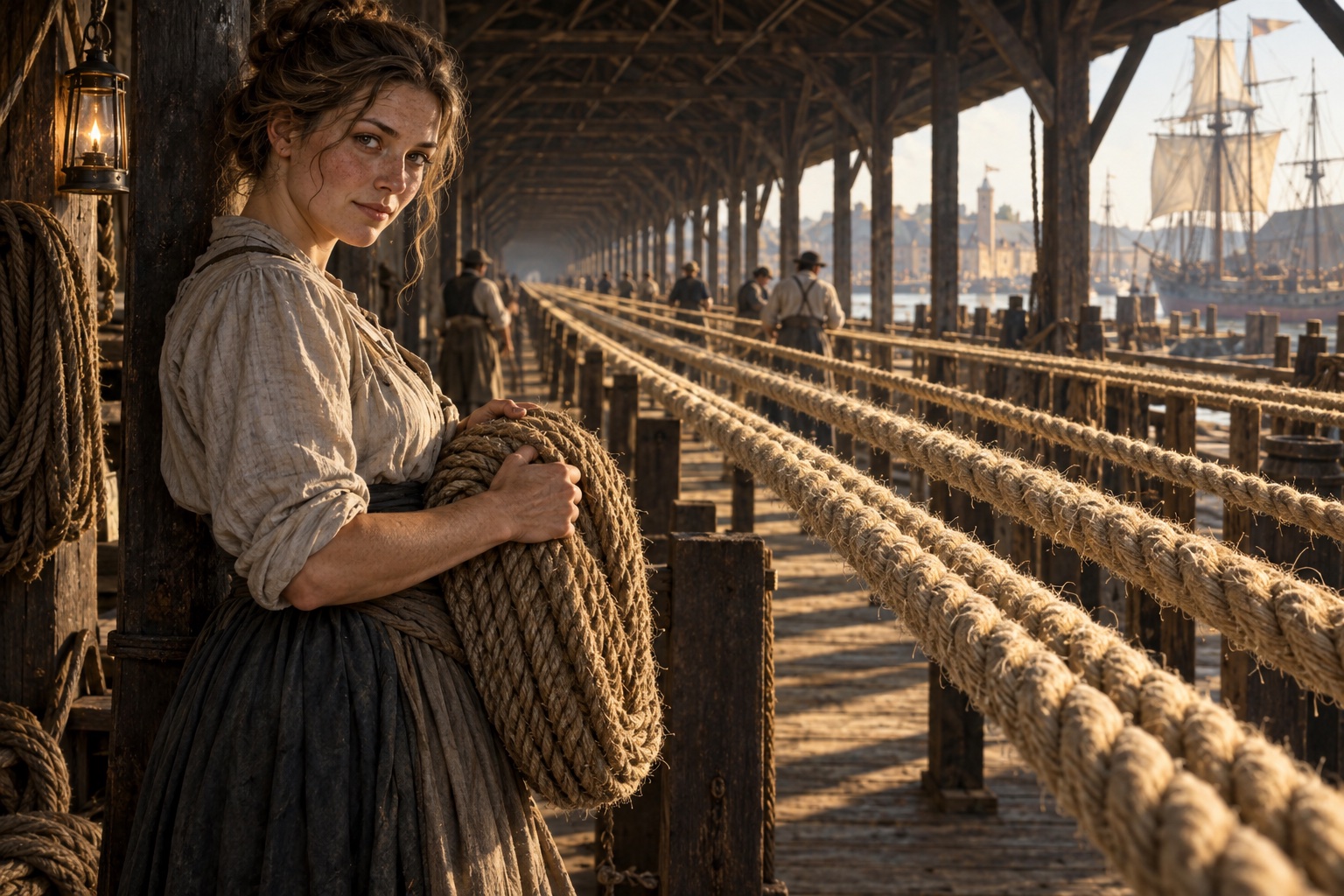
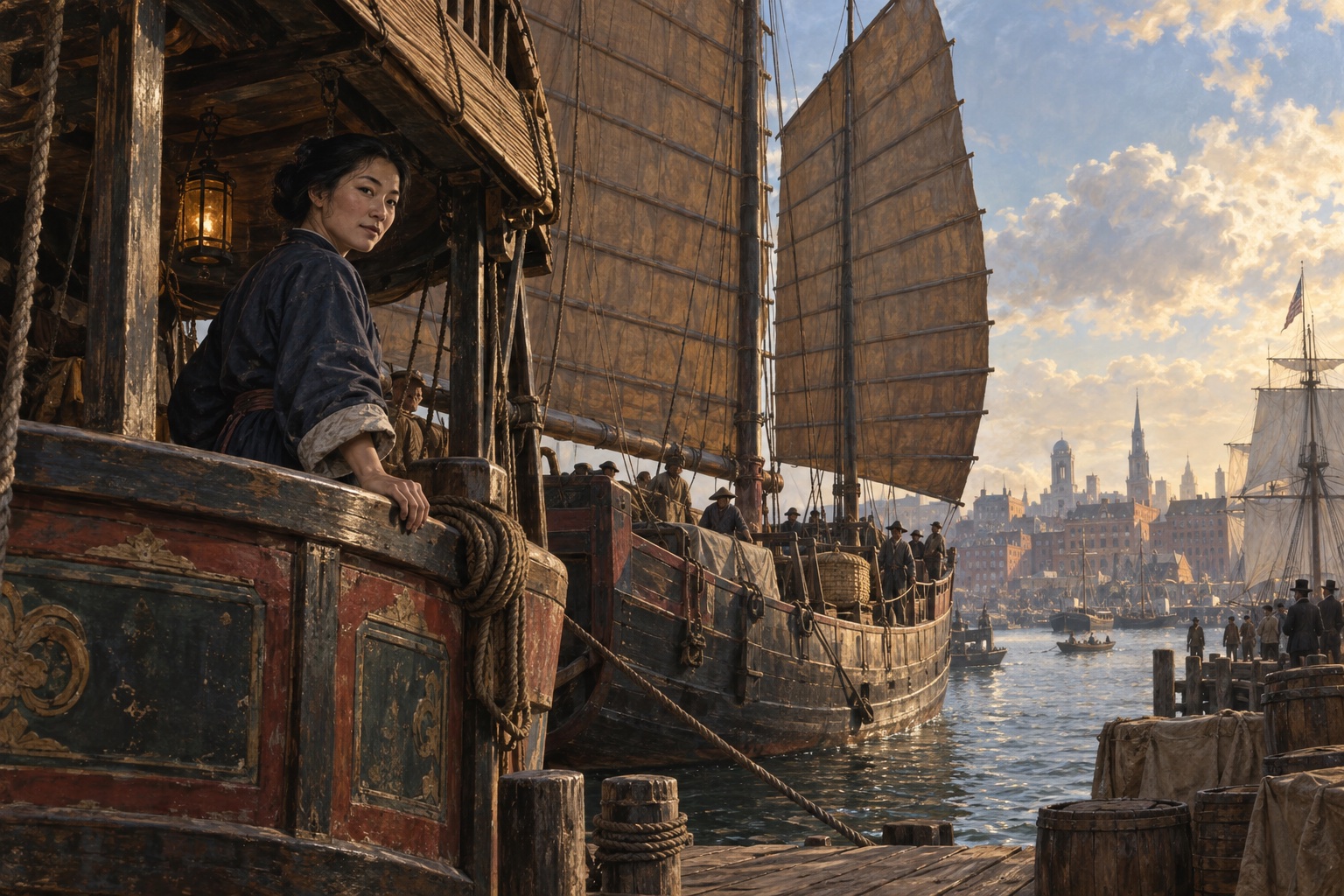
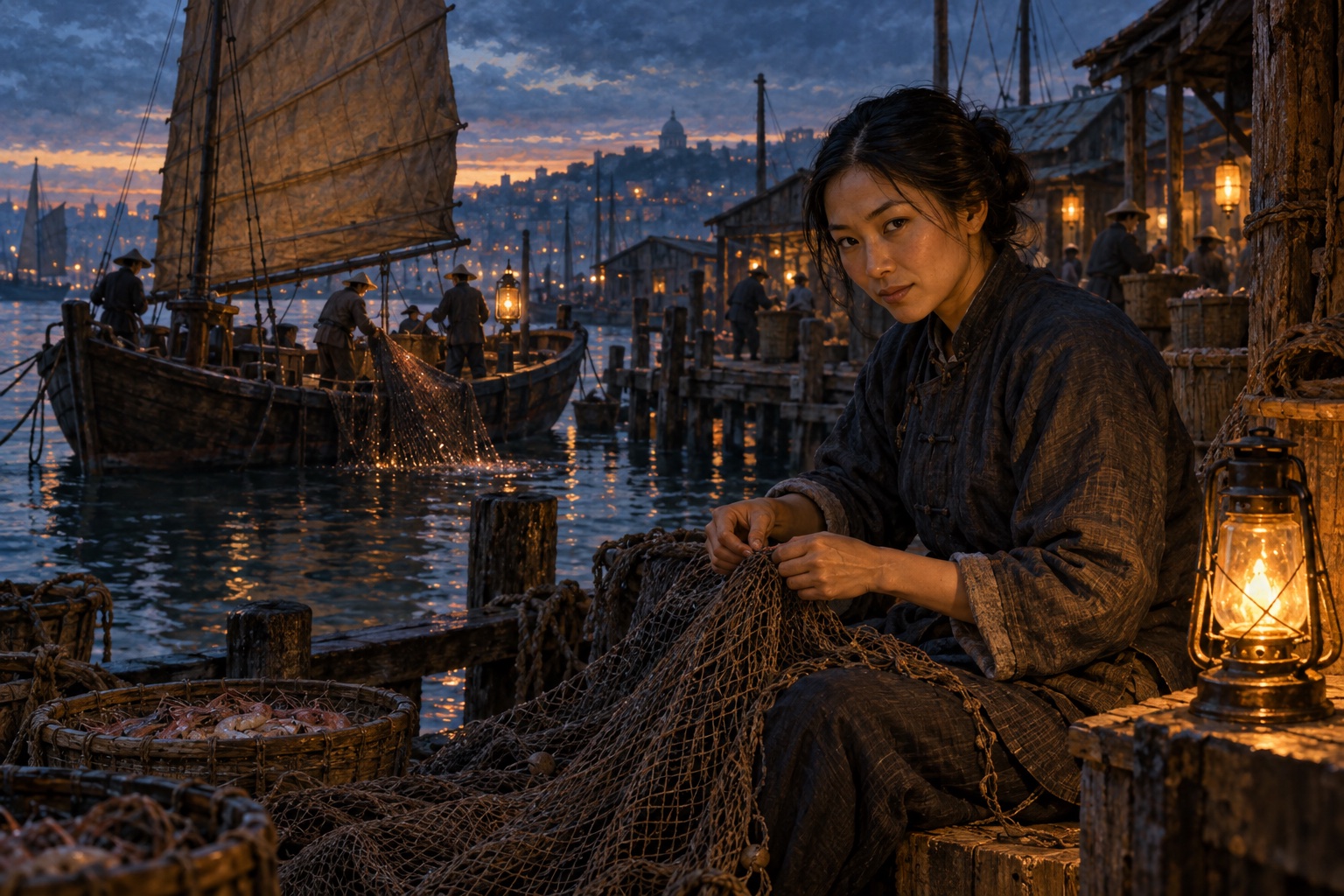
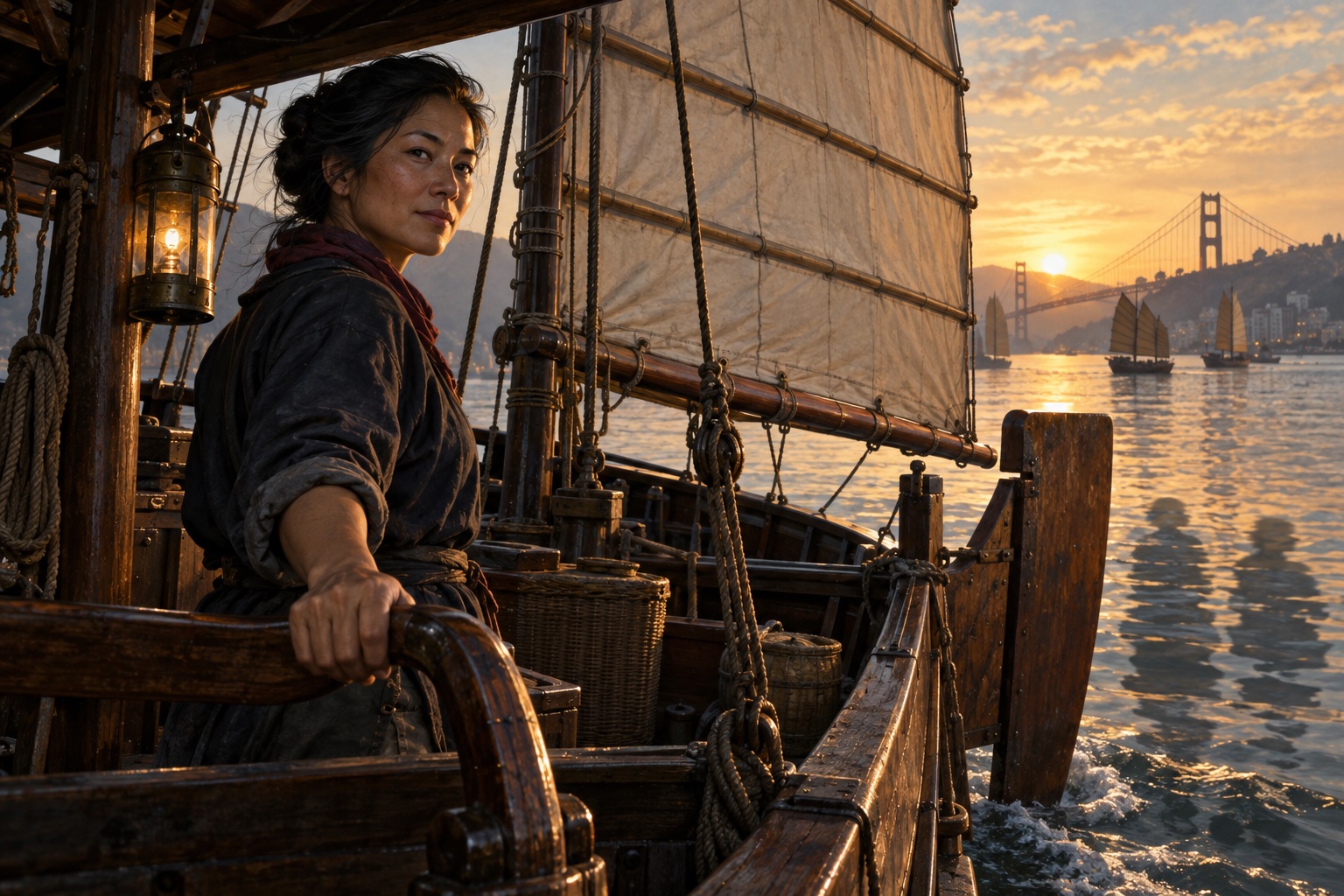
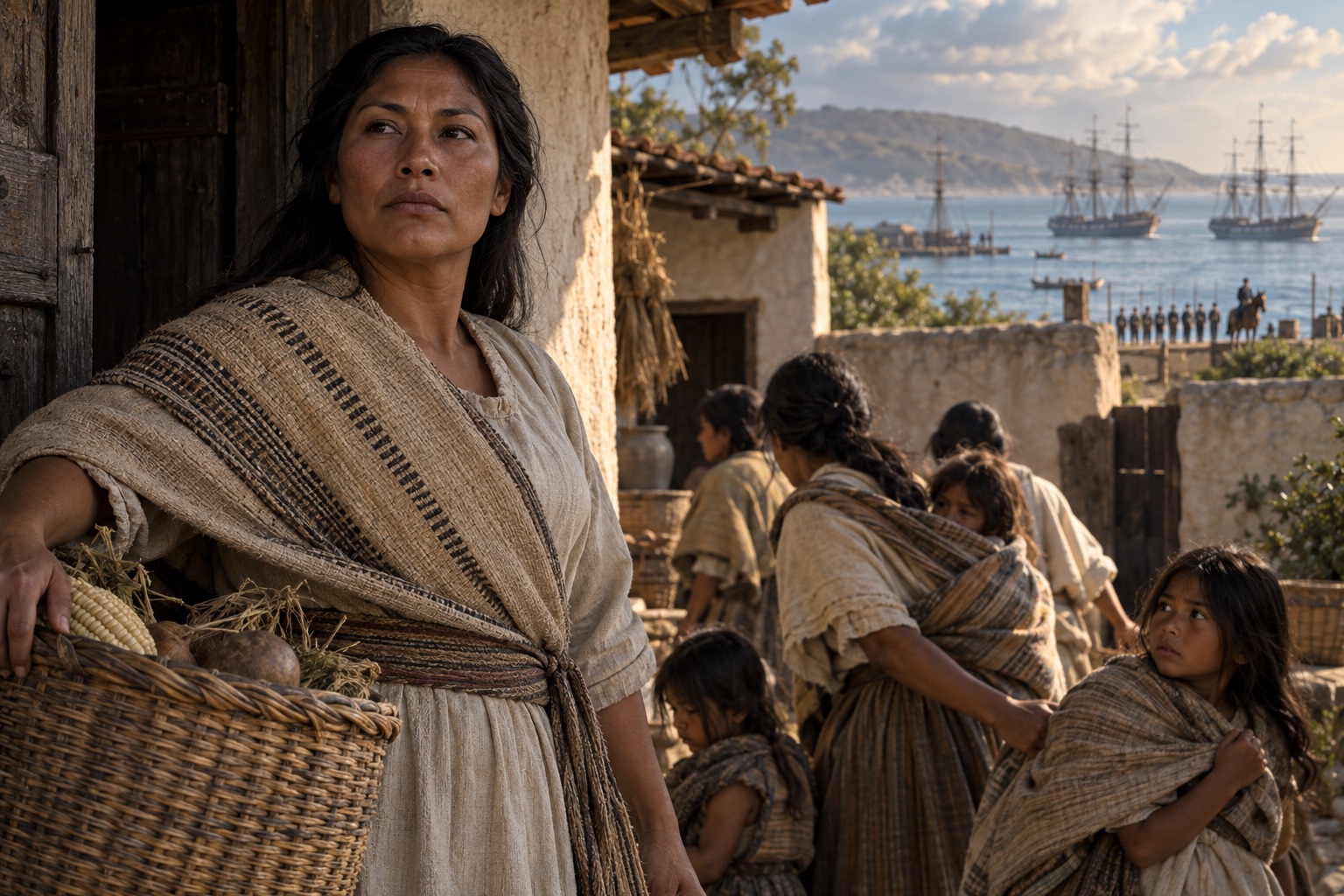
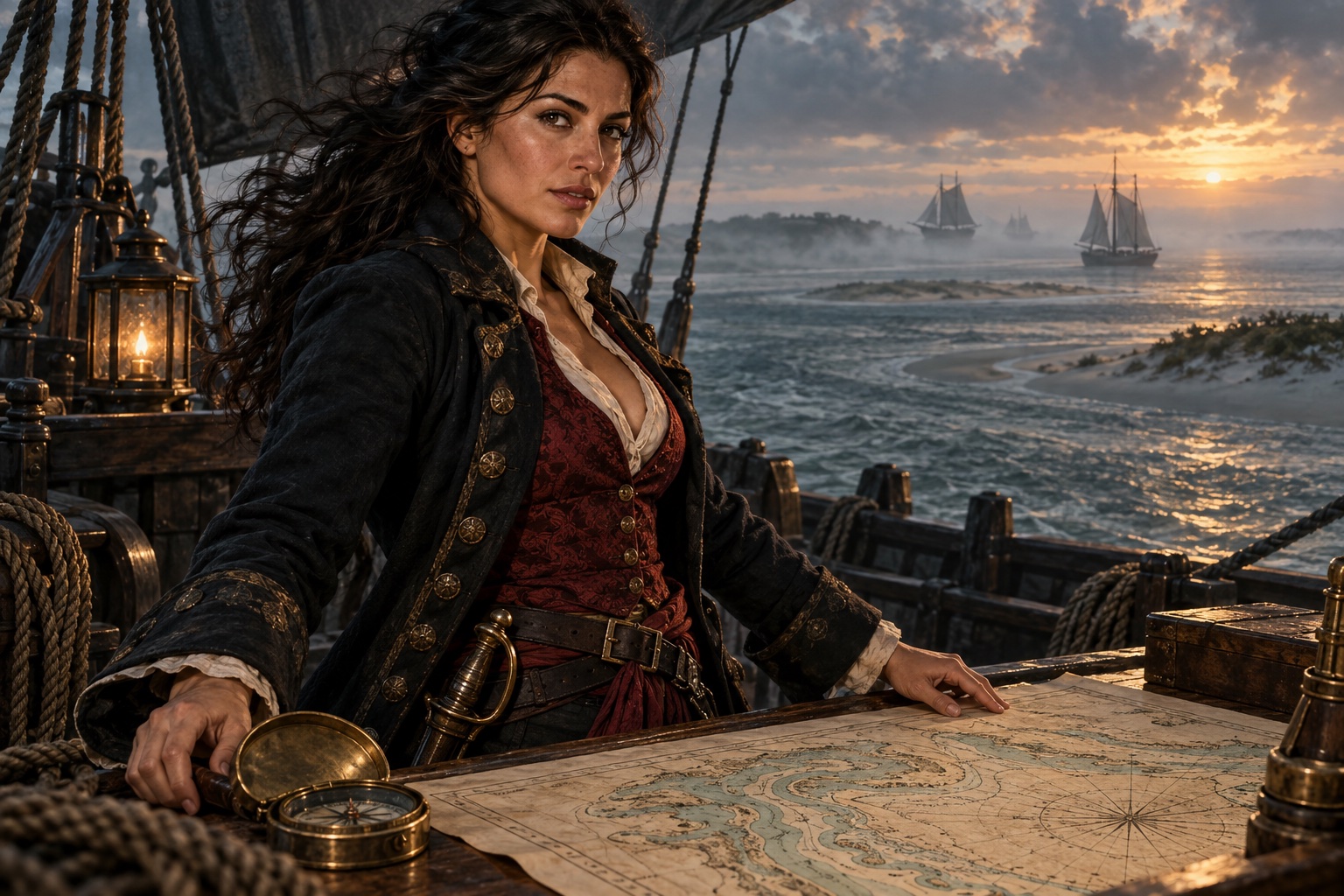
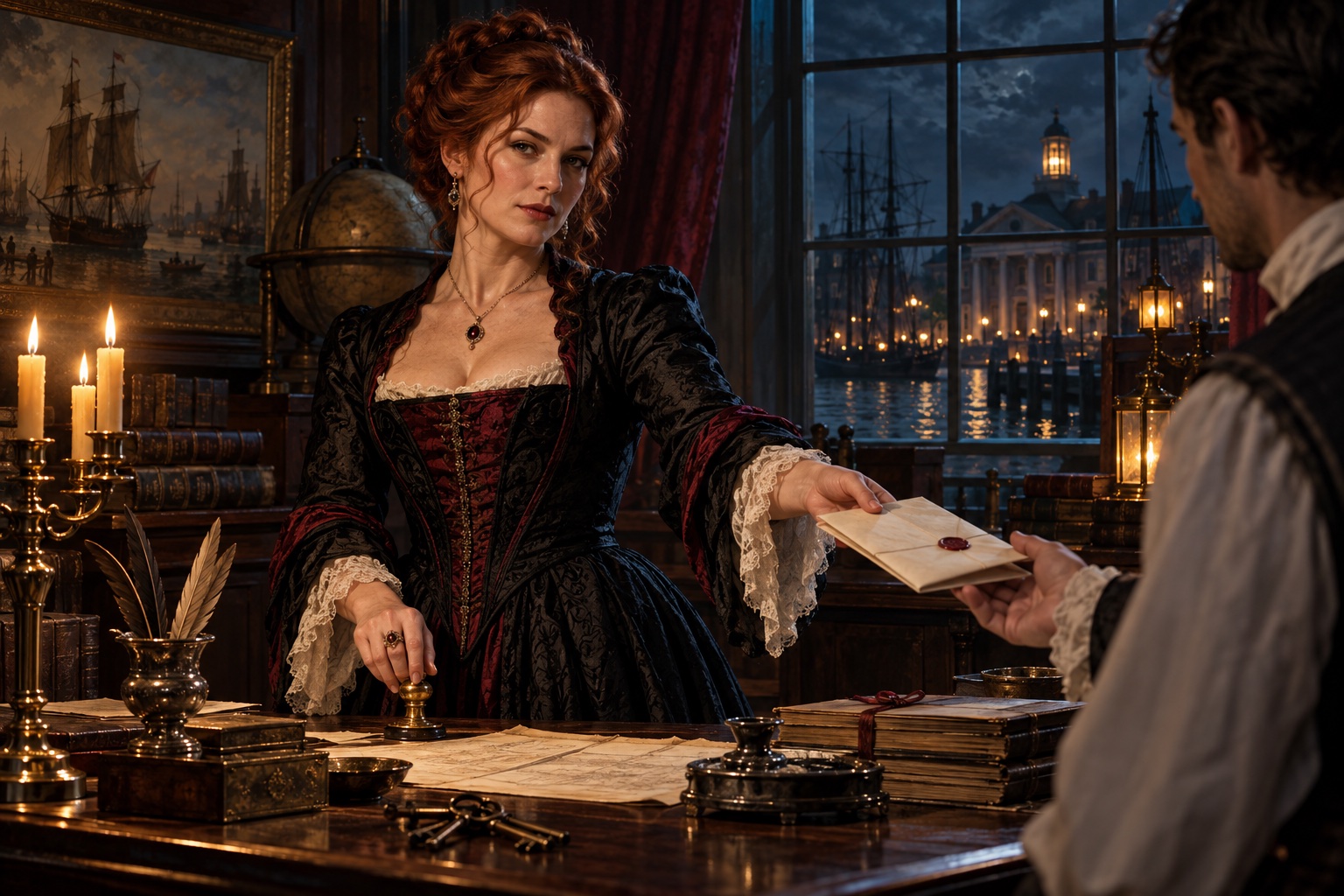
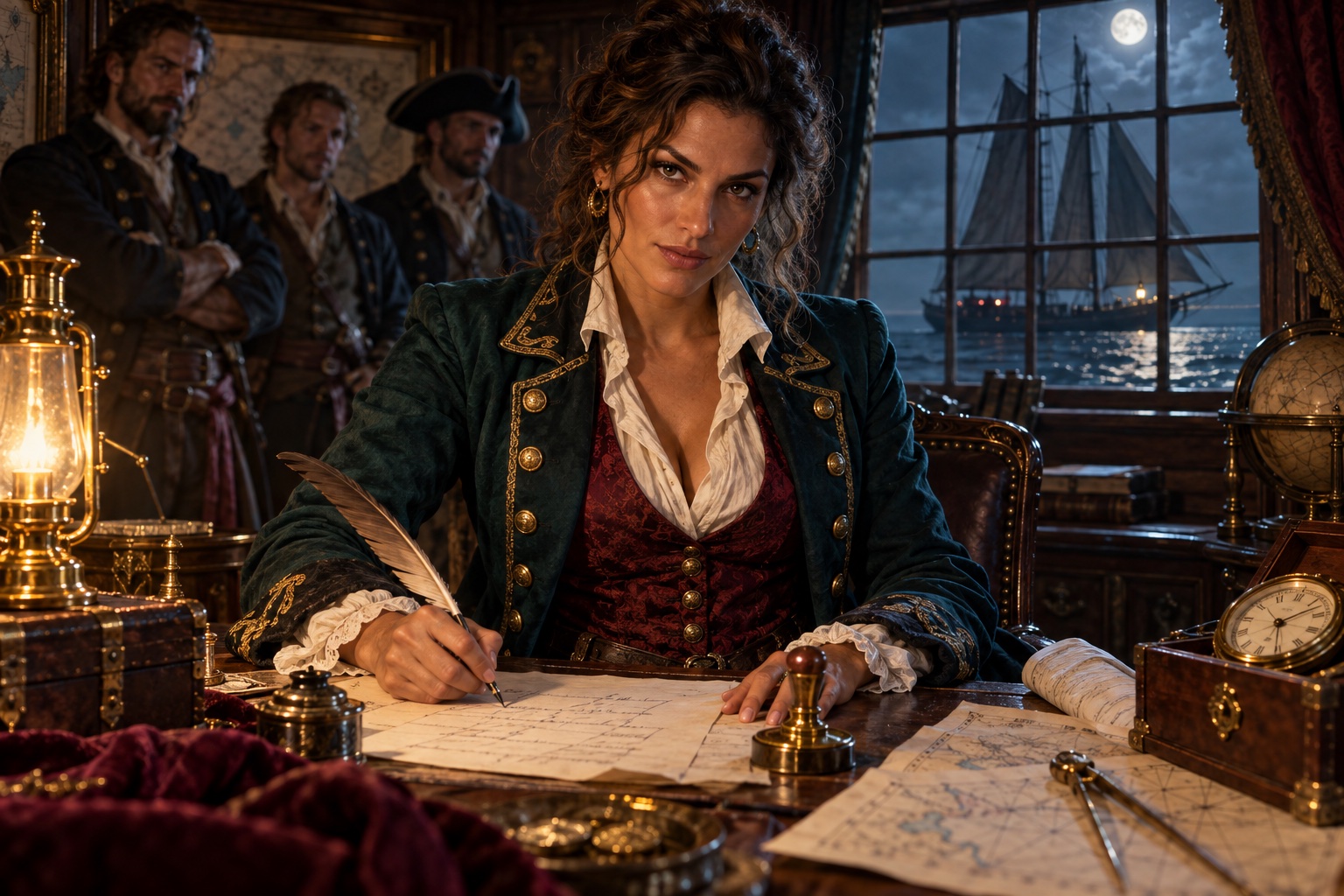
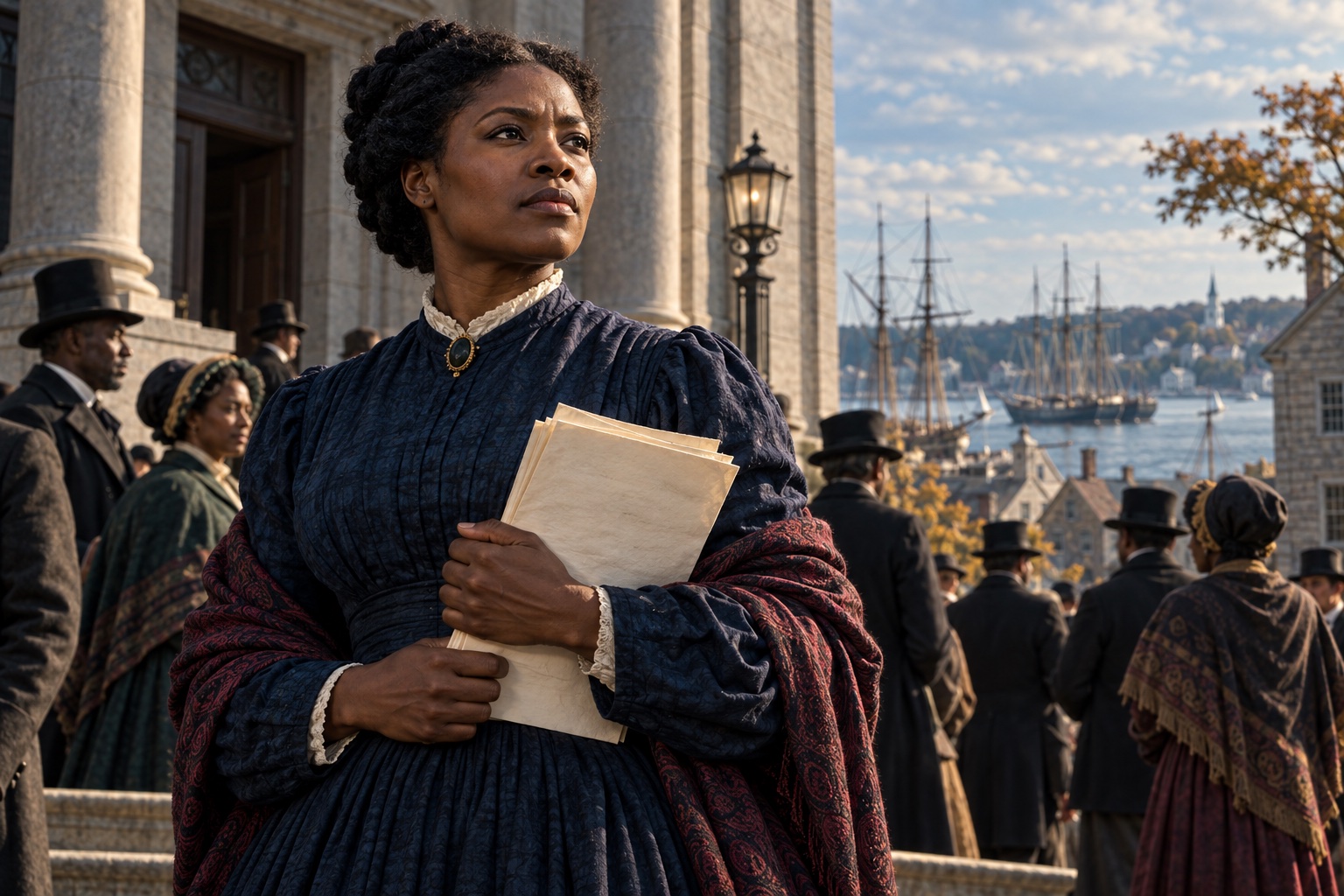
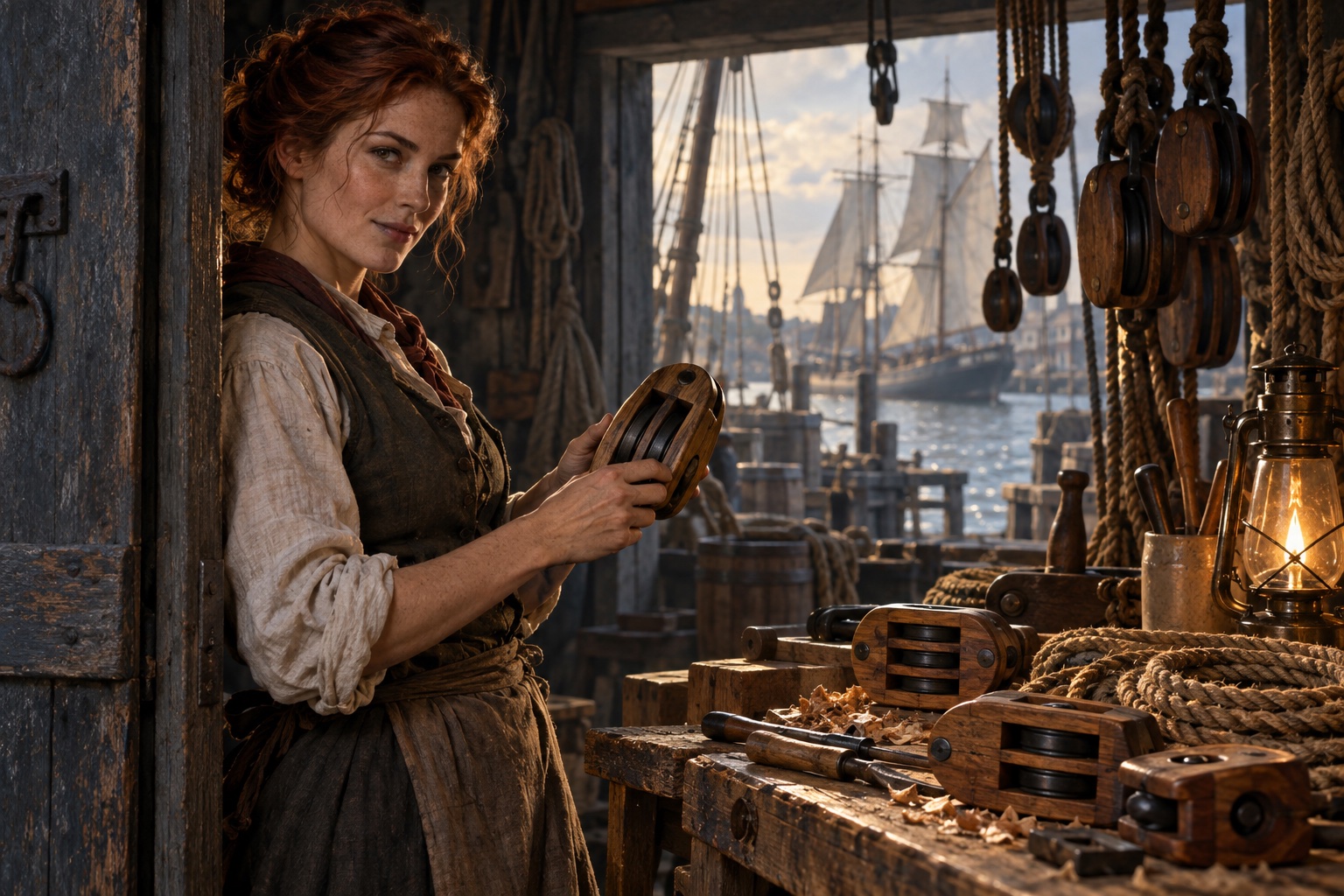
Beneath the official account, another story waits. These Hidden Tide artworks imagine women at the edges of maritime history; they are fictional scenes, not documentary portraits.
A surviving list of principal blocks for USS Constitution records the tackle needed to equip the ship. It anchors rigging research in ordered, purpose-made hardware and the craftspeople supplying it.
Constitution’s watch and quarter bill assigned named sailors to work aloft. The main topsail yard required 32 men, 16 on each side, to handle the heavy sail. A sail plan was also a plan for people.
Royal Museums Greenwich holds Thomas Richardson’s plan of an unnamed, 109-foot, three-masted merchant ship, dated August 1, 1833. This is a period technical reference for proportions and arrangement, distinct from our production sketches.
The Charlestown Navy Yard Ropewalk opened in 1838. Its unusually long building accommodated the manufacture of rope: fibers had to be laid out and twisted over distance. Rigging depended on substantial industry ashore.
An 1847 New York lithograph by N. Currier depicts the Chinese junk Keying. It provides period visual evidence of how the vessel was represented; a popular print should not be treated as a measured construction plan.
By 1875, 25 Chinese shrimping camps dotted San Francisco Bay. These communities place working boats within an economy of fishing, shore labor, and migration. Their dates belong to later California history, beyond the Pacific Squadron’s 1840s operations.
Built in 2003, the 43-foot Grace Quan draws on photographs and archaeological evidence of Chinese shrimp junks used on the Bay from 1860 to 1910. Its battened sail and adjustable rudder offer a working comparison, not a surviving 1840s vessel.
The existing shipwright and press references, gathered under Nautical. These extend beyond the Pacific Squadron and U.S. Atlantic coast collections into broader maritime culture.
The squadron’s movements during the U.S. conquest of Mexican Alta California. Read naval accounts with their military perspective in mind: occupations and territorial claims also transformed communities already living along this coast.
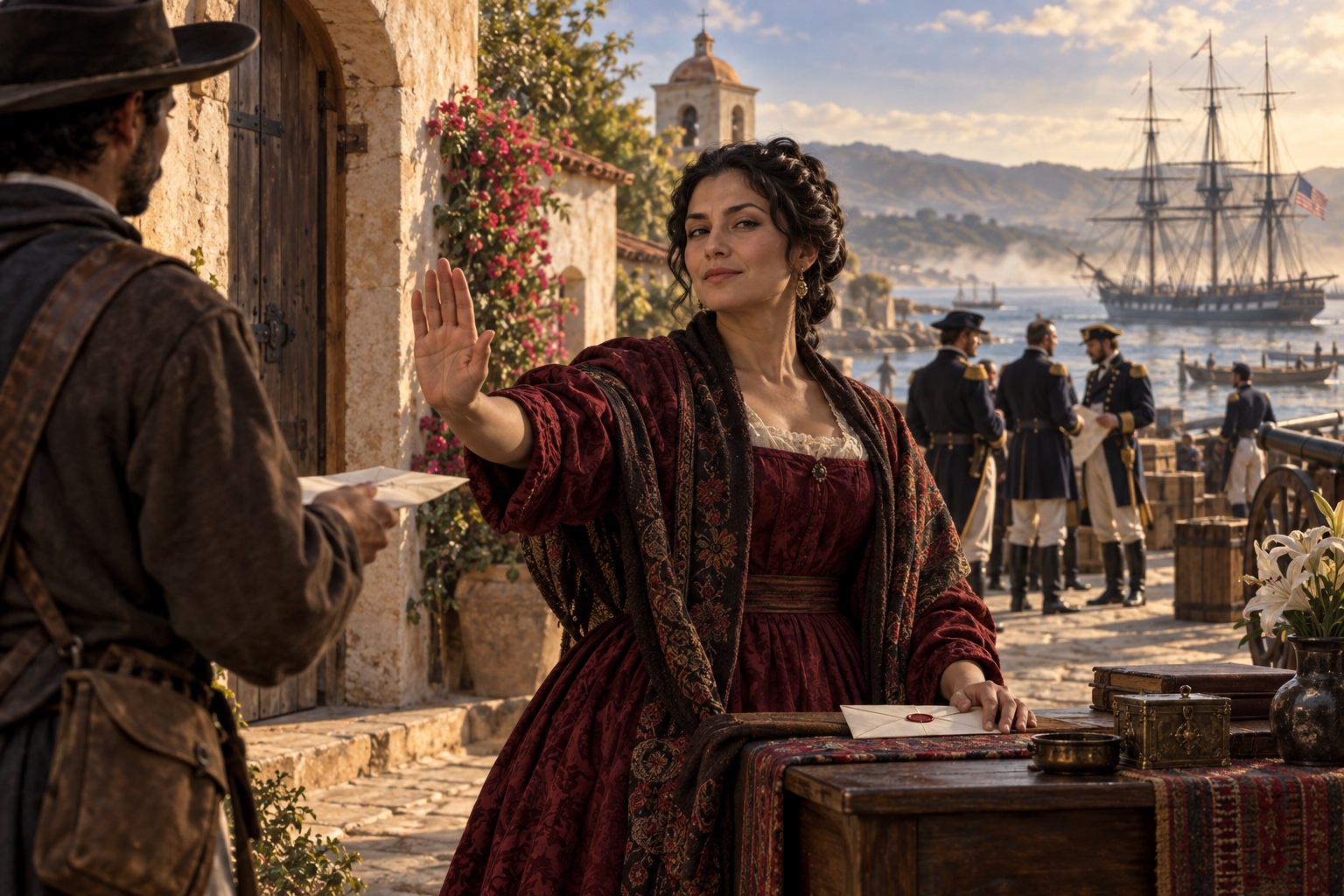
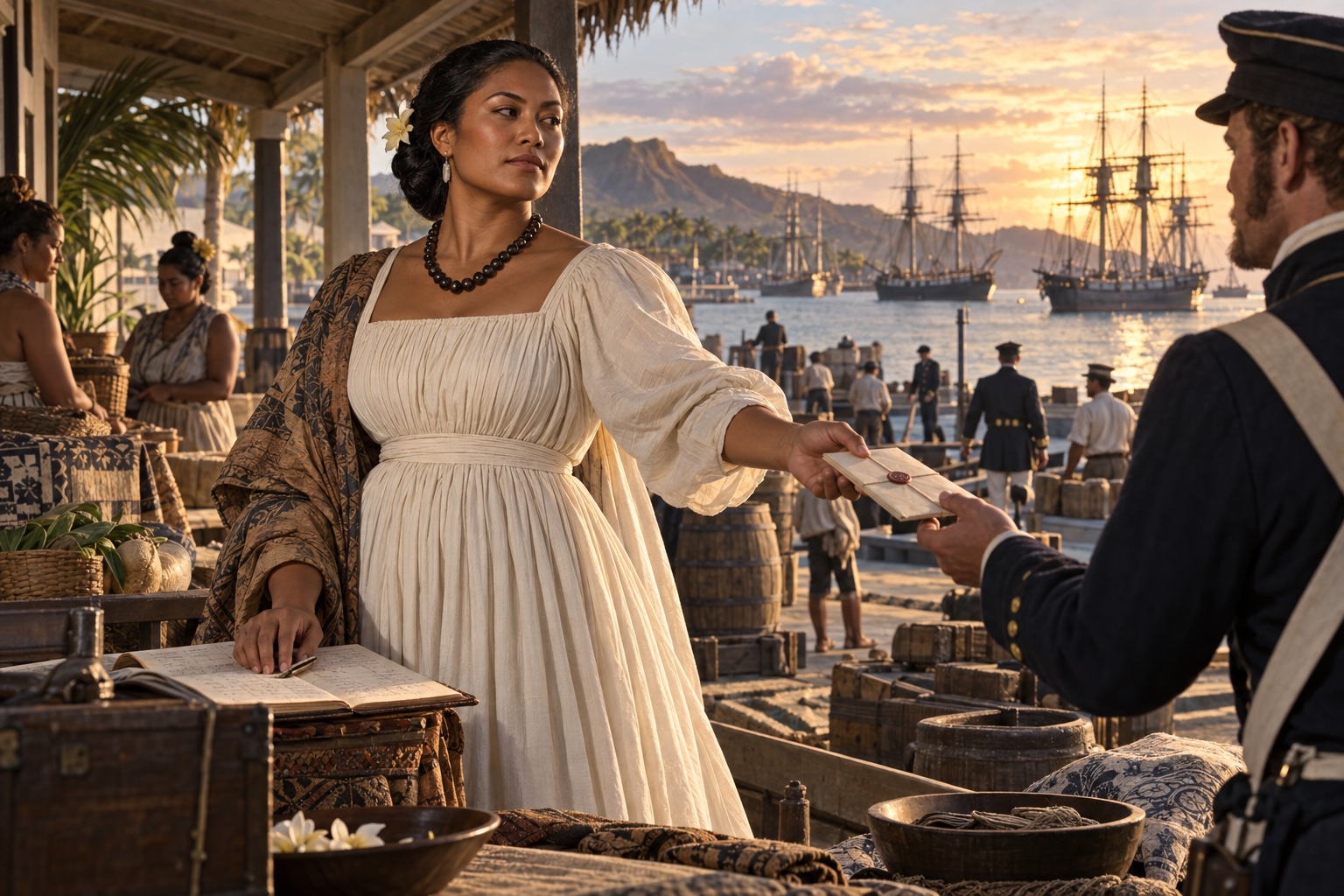
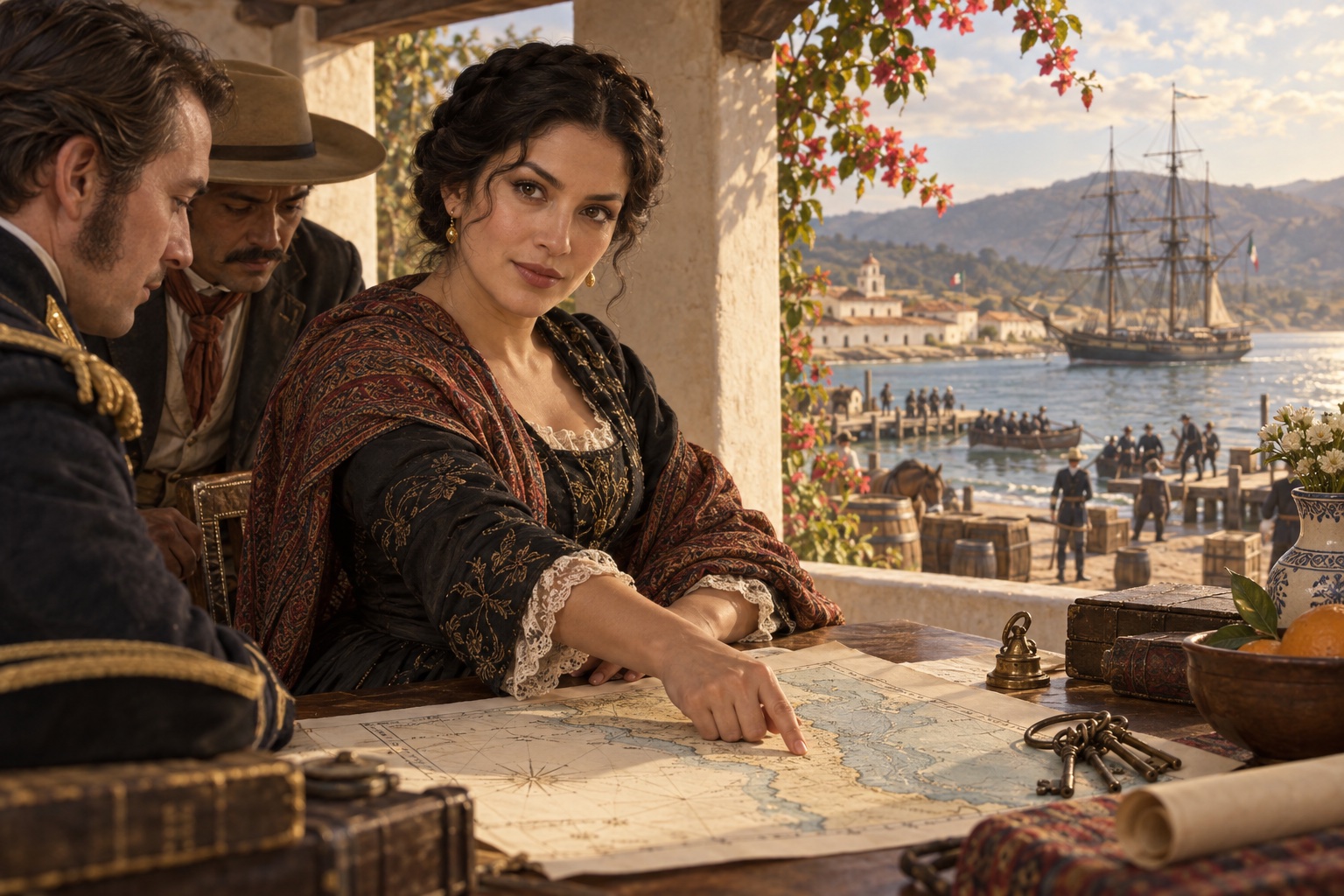
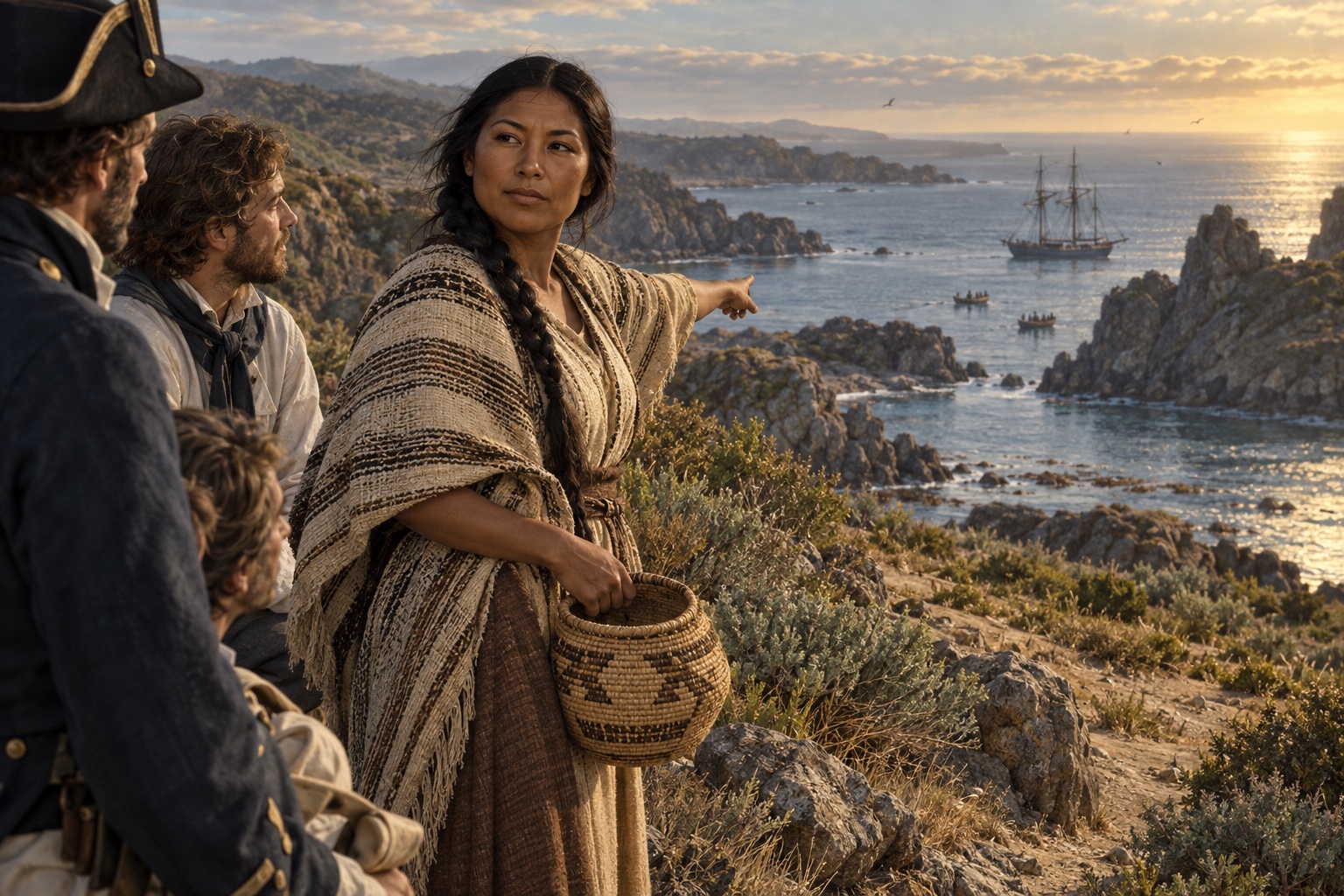
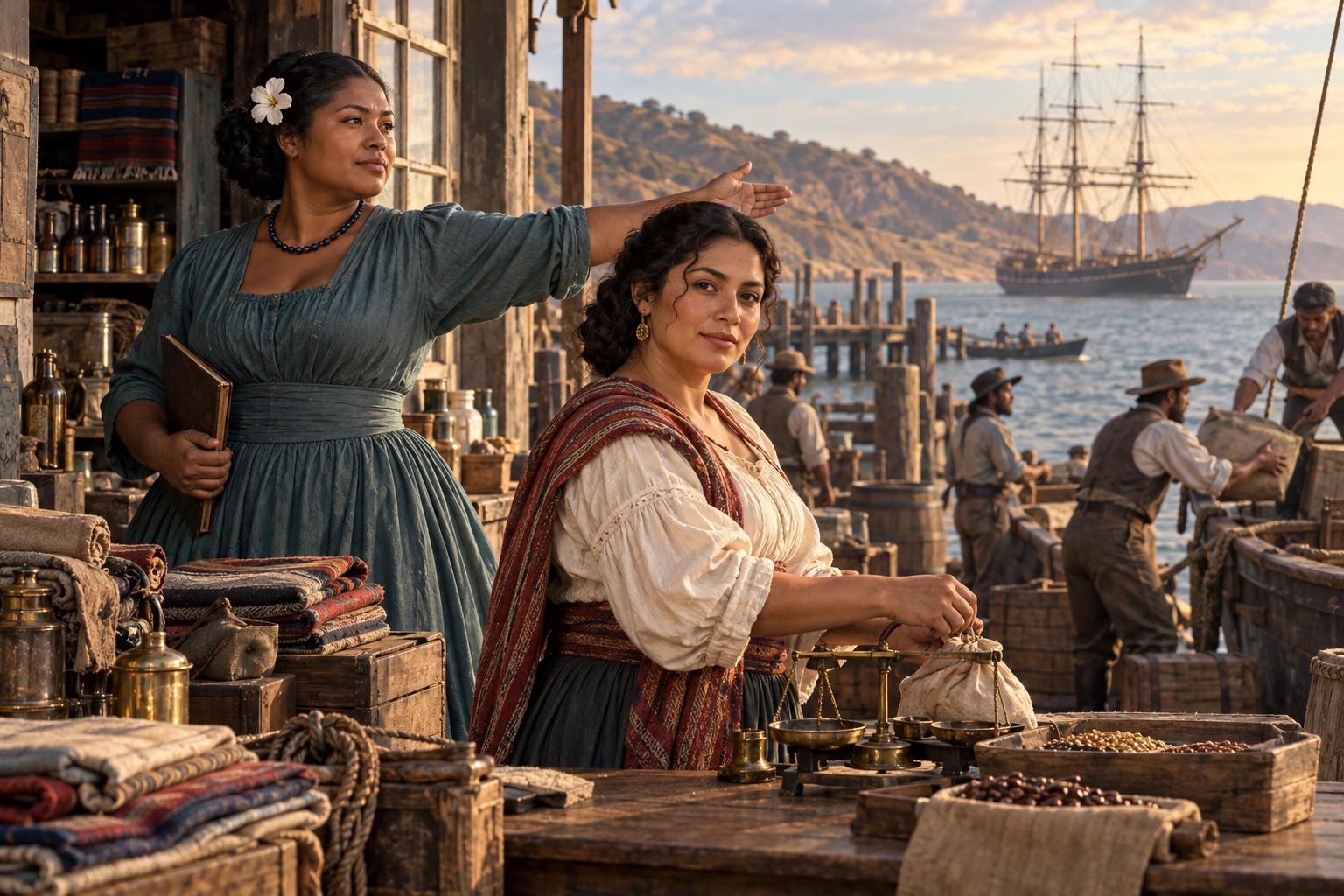
Hidden Tide imagines the women shaping news, trade, households, and survival around the squadron. These fictional scenes place them at the center and include the wider Pacific connections of Hawaiʻi.
Commodore Thomas ap Catesby Jones occupied Monterey under the mistaken belief that the United States and Mexico were at war. The incident exposes the consequences of unreliable information in a distant naval command.
The Secretary of the Navy’s annual report lists Savannah, Levant, Warren, and Shark under Commodore Sloat. It anticipates replacing the first three with Congress, Portsmouth, and Cyane, providing a dated roster rather than one fixed cast of ships for the entire decade.
Cyane participated in the capture of Monterey on July 7, 1846. The episode belongs to the Mexican-American War, not to an already established American California. It gives the squadron’s presence a specific wartime setting.
Under Commander John B. Montgomery, sailors and Marines from Portsmouth raised the U.S. flag at Yerba Buena. The National Park Service’s Presidio study describes the landing and the small Marine guard left ashore: naval operations extended beyond the ship’s rail.
Cyane transported Frémont’s California Battalion to San Diego, where sailors and Marines also went ashore. Transport, landing parties, and cooperation with forces on land were central to the squadron’s California operations.
Independence served as Commodore William B. Shubrick’s flagship in the Pacific. Its 1847 service linked Monterey to blockade operations farther south and the occupations of Guaymas and Mazatlán. California was part of a wider Pacific campaign.
Ohio’s Pacific service included protecting commerce and maintaining order in the newly acquired California territory during the early Gold Rush. This provides a later-decade contrast to the squadron’s 1846 landings and the war’s coastal operations.
A collection spanning the colonial coast and the later United States. These initial findings focus on the 1690s through the nineteenth century; the 1600–1900 range is the research scope, not a claim that piracy remained constant across three centuries. Privateering and piracy accusations are identified separately.
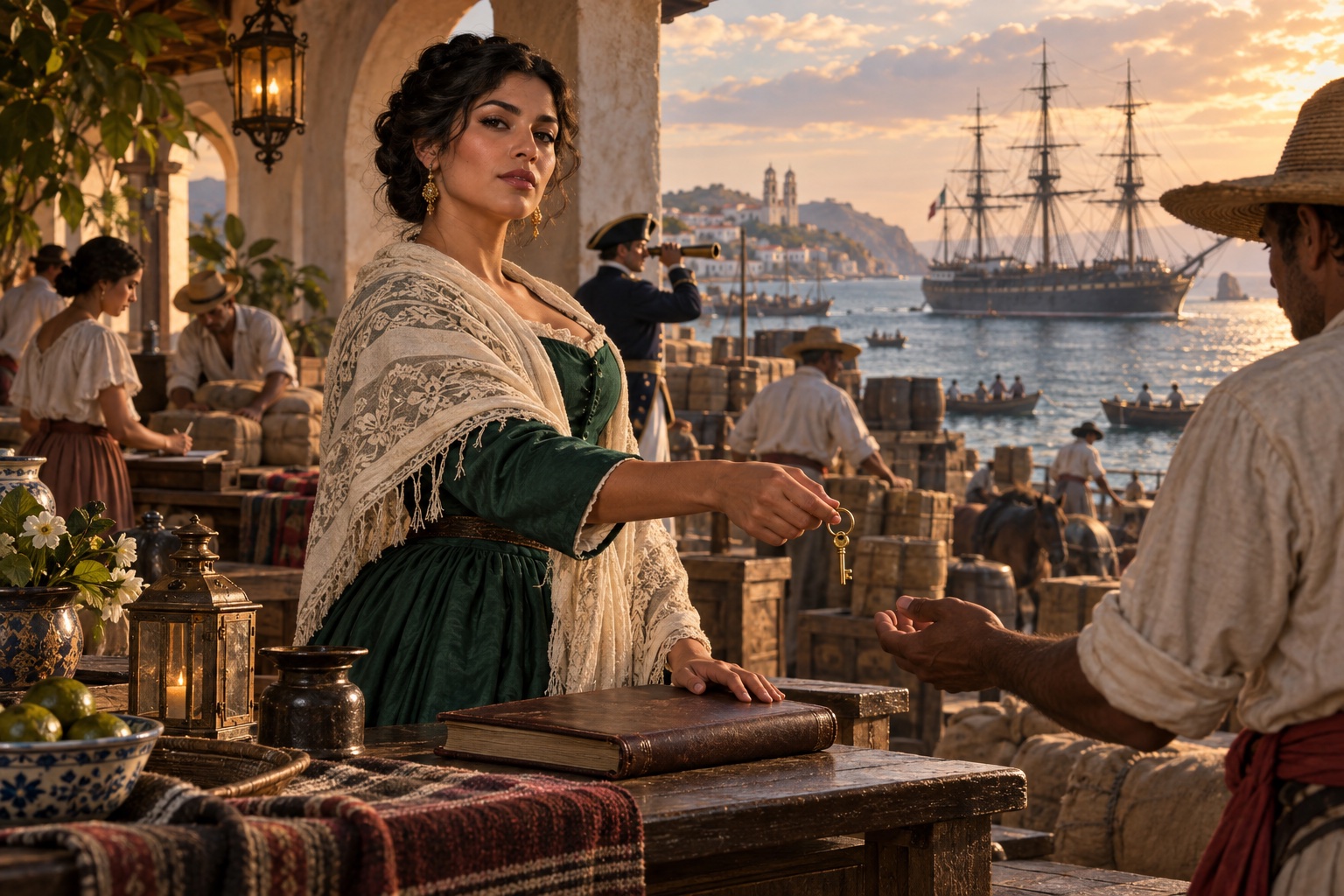
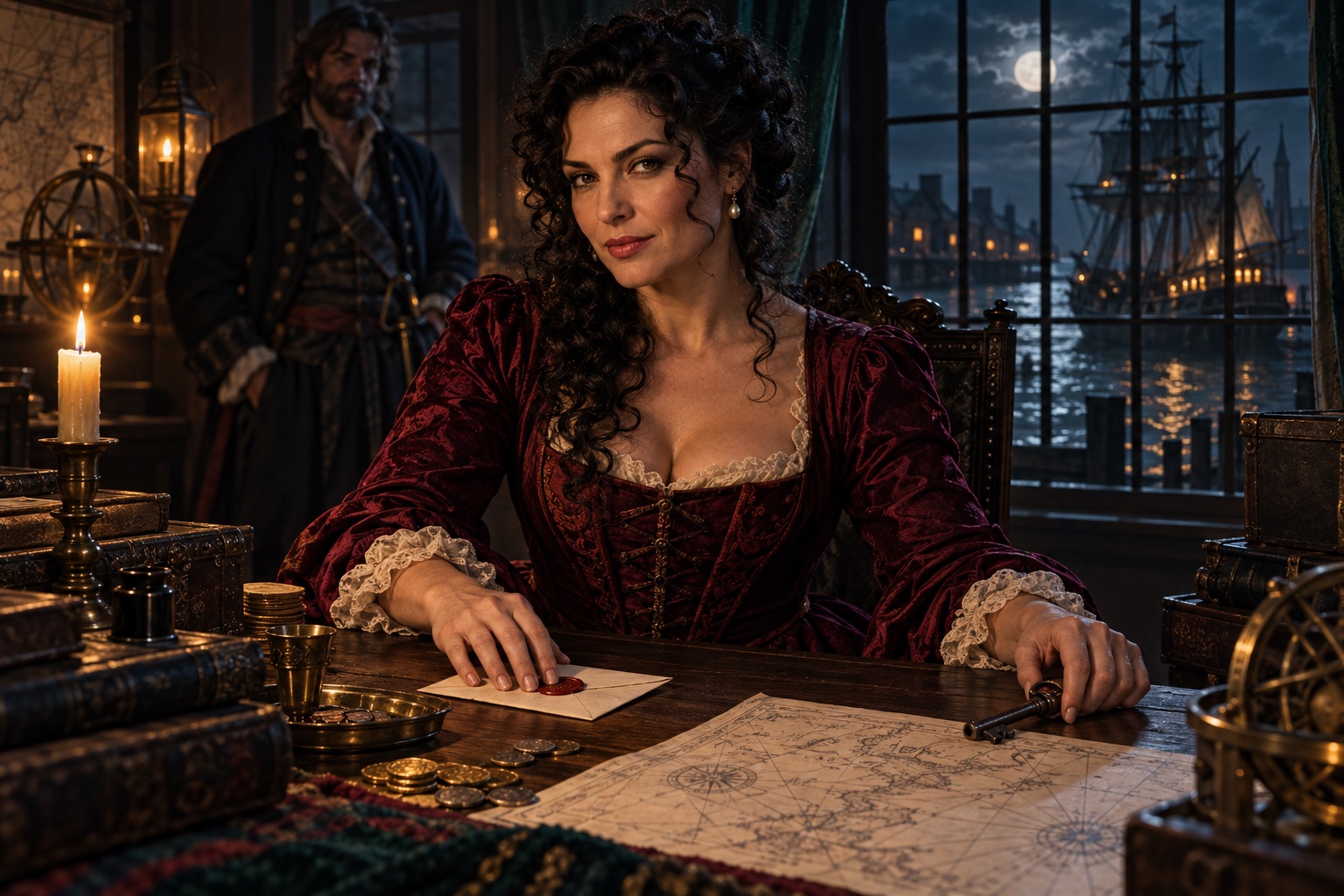
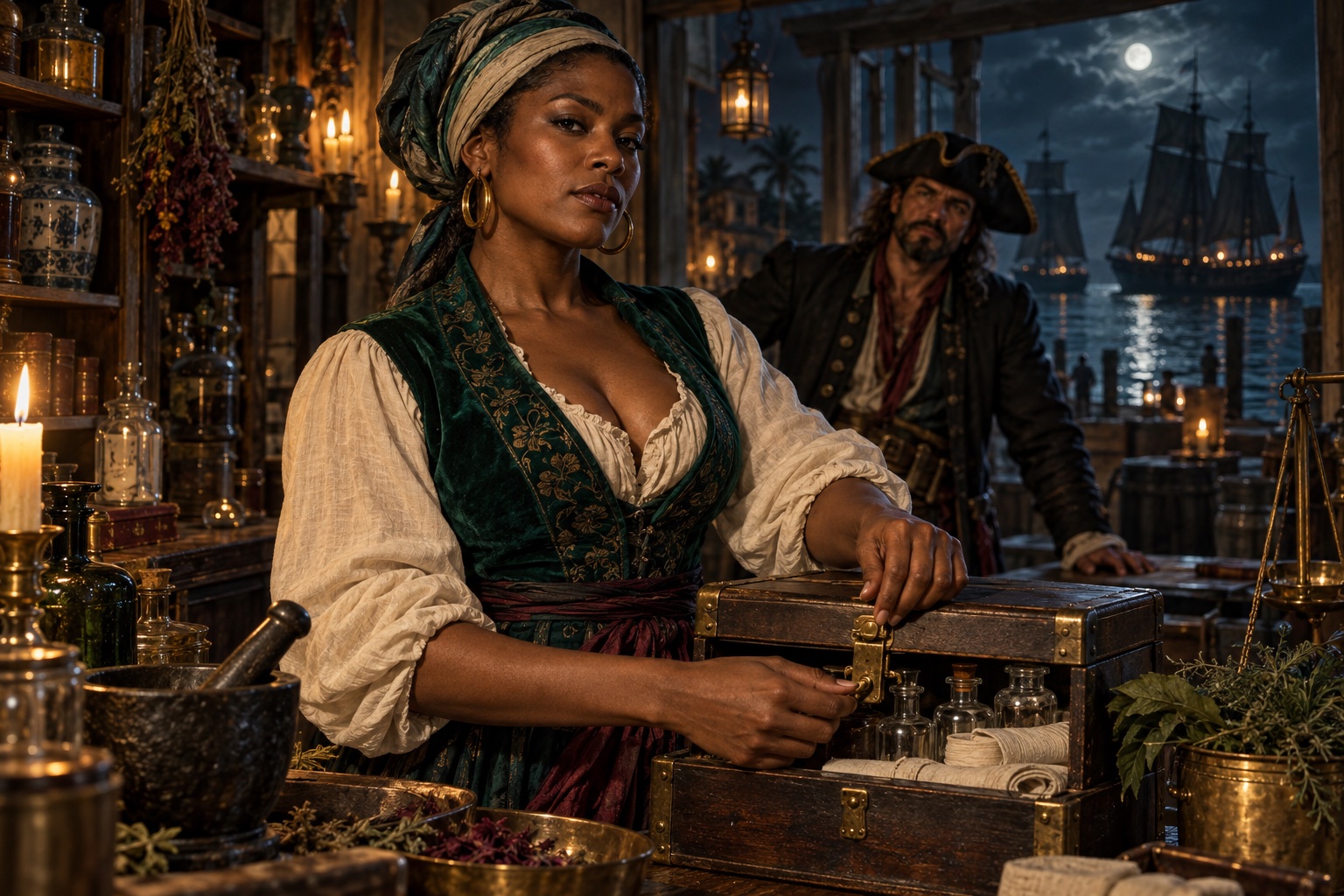
Hidden Tide imagines the women holding the keys to harbors, medicine chests, trading networks, and legal fortunes. These pop-pirate scenes are fictional interpretations of the research.
Research discussed by the Library of Congress connects pirate lives to households and ports in New York and New England. William Kidd’s New York household is one example: family, property, and local relationships belonged to the story alongside voyages and seizures.
During Blackbeard’s blockade of Charleston, the pirates demanded medical supplies. Research on artifacts from Queen Anne’s Revenge puts health and treatment beside weapons and treasure in the material history of piracy; surviving medical objects do not by themselves prove a connection to that ransom.
Blackbeard was killed in an encounter with Lieutenant Robert Maynard’s force near Ocracoke, North Carolina. The documented coastal setting offers a firmer historical anchor than the legends that later accumulated around his name.
Stede Bonnet was captured after fighting near the mouth of the Cape Fear River and was hanged in Charleston on December 10. His case connects North Carolina’s waterways to prosecution and punishment in South Carolina.
War of 1812 records include privateer licenses, also called letters of marque, and court proceedings over captured prizes. These records distinguish commissioned privateering from unauthorized piracy; a vessel’s legal status depended on more than its weapons or pursuit of profit.
The Africans who resisted enslavement aboard Amistad faced murder and piracy accusations in Connecticut. Those criminal charges were dismissed for lack of U.S. jurisdiction over acts on a foreign vessel at sea. The subsequent civil dispute was a separate proceeding; labeling the captives simply as pirates misrepresents the case.
 Explore the finding